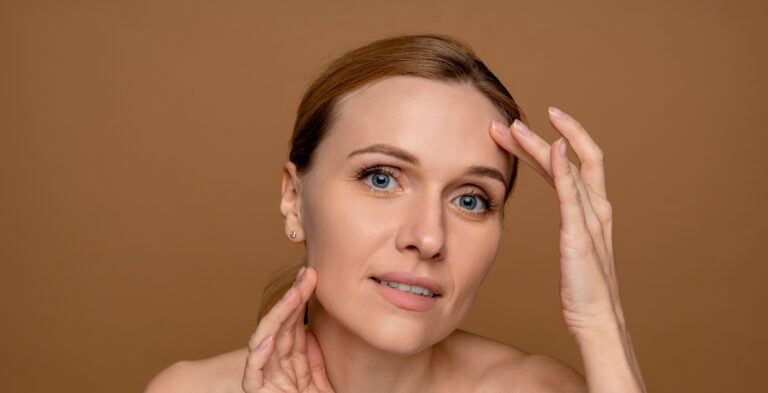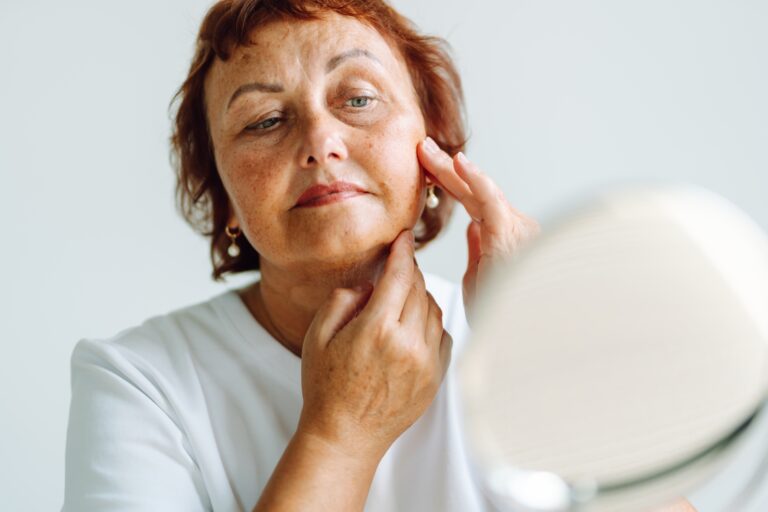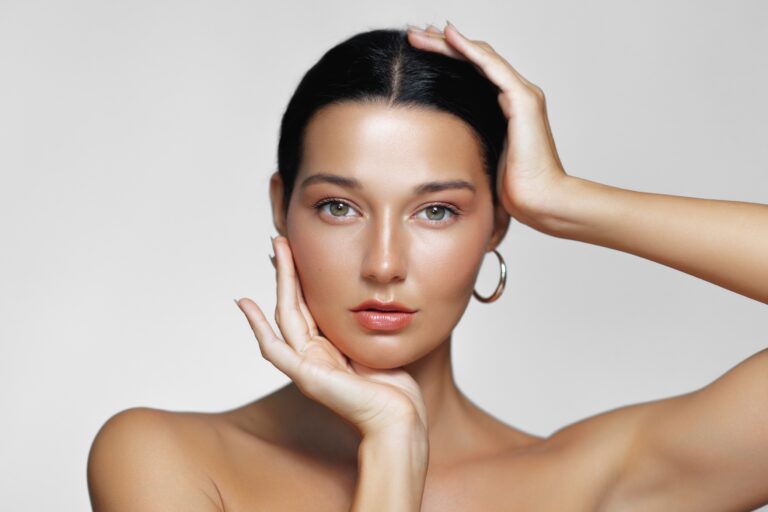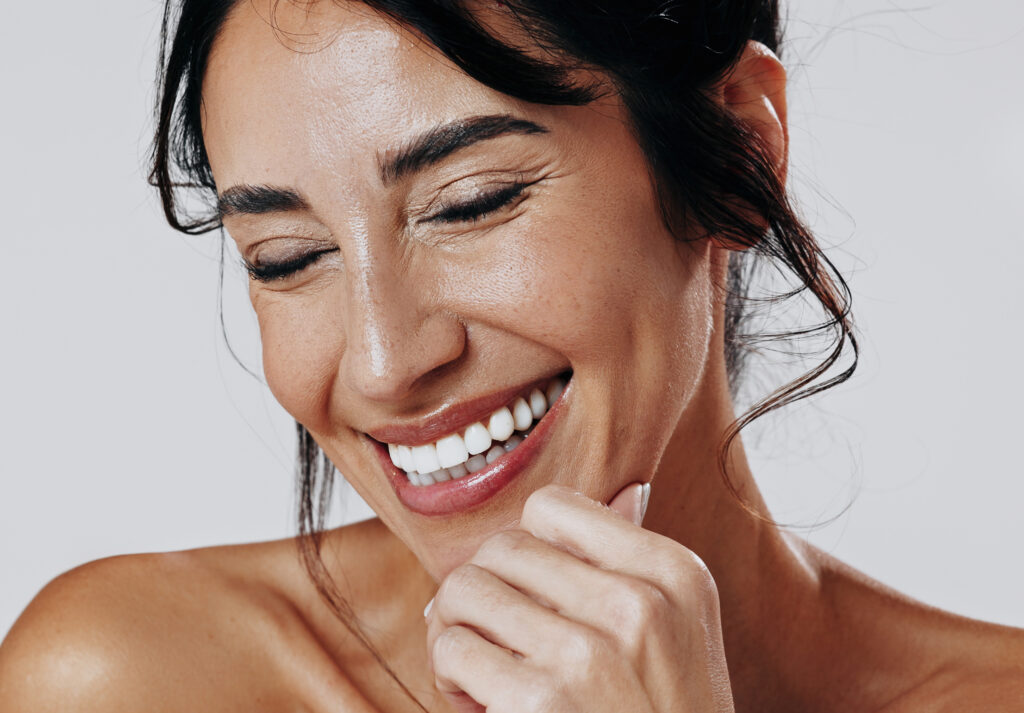
Glowing skin does not necessarily depend on makeup. That fresh, even look with a natural glow is usually the result of several factors related to skin health and balance.
Skin radiance is influenced by factors such as hydration, the condition of the skin barrier, cell turnover, and daily habits.
Hydration: The First Step to Radiant Skin
Hydration is essential for keeping skin supple, soft, and even-looking.
When skin is adequately hydrated, its surface can reflect light more effectively, contributing to a naturally radiant appearance.
By contrast, dehydrated skin may look dull, feel rough, and show fine lines more prominently.
It is important to distinguish dry skin from dehydrated skin. Dry skin is mainly associated with a lower lipid content, whereas dehydration refers to a decrease in the skin’s water content. Both conditions can occur at the same time, but they require different approaches.
The skin barrier: the protection we cannot see
The skin barrier is one of the key structures that helps maintain skin balance.
Its function includes helping reduce water loss and protecting against different external factors.
When this barrier is compromised, signs such as these may appear:
- Dryness.
- Sensitivity.
- Irritation.
- Peeling.
- A feeling of tightness.
- Uneven texture.
- Loss of radiance.
That is why a skincare routine should not focus solely on “brightening” the skin. It should also aim to maintain and protect its barrier function.
Cell renewal and skin texture
The skin is constantly renewing itself. Cells in the outer layers are gradually shed and replaced by new cells.
When too many dead skin cells build up, the surface can look duller and develop an uneven texture.
For this reason, healthy cell turnover can help improve skin texture and radiance.
However, more exfoliation does not necessarily mean better results. Excessive exfoliation can disrupt the skin barrier and cause irritation. The choice of active ingredients and procedures should be tailored to each person’s skin characteristics and needs.
Our habits show on our skin, too
Skin appearance does not depend solely on cosmetic products.
Some habits that are part of comprehensive care include:
Sun protection: Cumulative exposure to ultraviolet radiation contributes to photoaging and changes in pigmentation. Consistent sunscreen use is one of the most important ways to care for your skin over the long term.
Adequate sleep: getting proper rest is part of overall well-being and of the physiological processes involved in the body’s repair and recovery.
Balanced nutrition: A varied diet provides the nutrients needed to support many of the body’s functions, including skin health.
Hydration and barrier care: maintaining a suitable routine and avoiding overly harsh products can help preserve the skin’s balance.
Avoid smoking: fumar se relaciona con procesos que afectan la calidad y apariencia de la piel, incluyendo el envejecimiento cutáneo.
And what about aesthetic treatments?
Aesthetic medicine treatments can be a complementary part of a broader skin care plan.
Depending on each patient’s characteristics, different procedures can address concerns such as texture, hydration, pigmentation, or overall skin quality.
These may include collagen-stimulating procedures, microneedling, certain types of laser, peels, and other medical-aesthetic protocols.
But there is no one-size-fits-all treatment for achieving glowing skin.
Before any procedure, it is important to consider the skin type, phototype, medical history, sensitivity, pigmentation changes, and the patient’s goals.
A professional assessment helps determine which options are appropriate and which could be counterproductive.
Radiance does not mean perfection
Remember that healthy skin does not have to be completely smooth or free of pores, expression lines, or pigmentation.
Real skin has texture, pores, and its own characteristics.
Healthy radiance is more closely associated with skin that is hydrated, protected, balanced, and has an even texture than with skin that simply reflects a lot of light.
The goal: health before makeup
Makeup can help create different visual effects, but it cannot replace skin care.
That is why, when we want to achieve glowing skin, the first question should not be:
“Which product will give me more glow?”
Instead:
“What does my skin need to be healthy?”
Well-cared-for skin can have a natural glow. By combining an appropriate routine, healthy habits, and personalized medical-aesthetic treatments when indicated, we can work not only on how the skin looks but also on its quality and well-being.
True radiance is not about covering the skin. It is about caring for what lies beneath makeup.